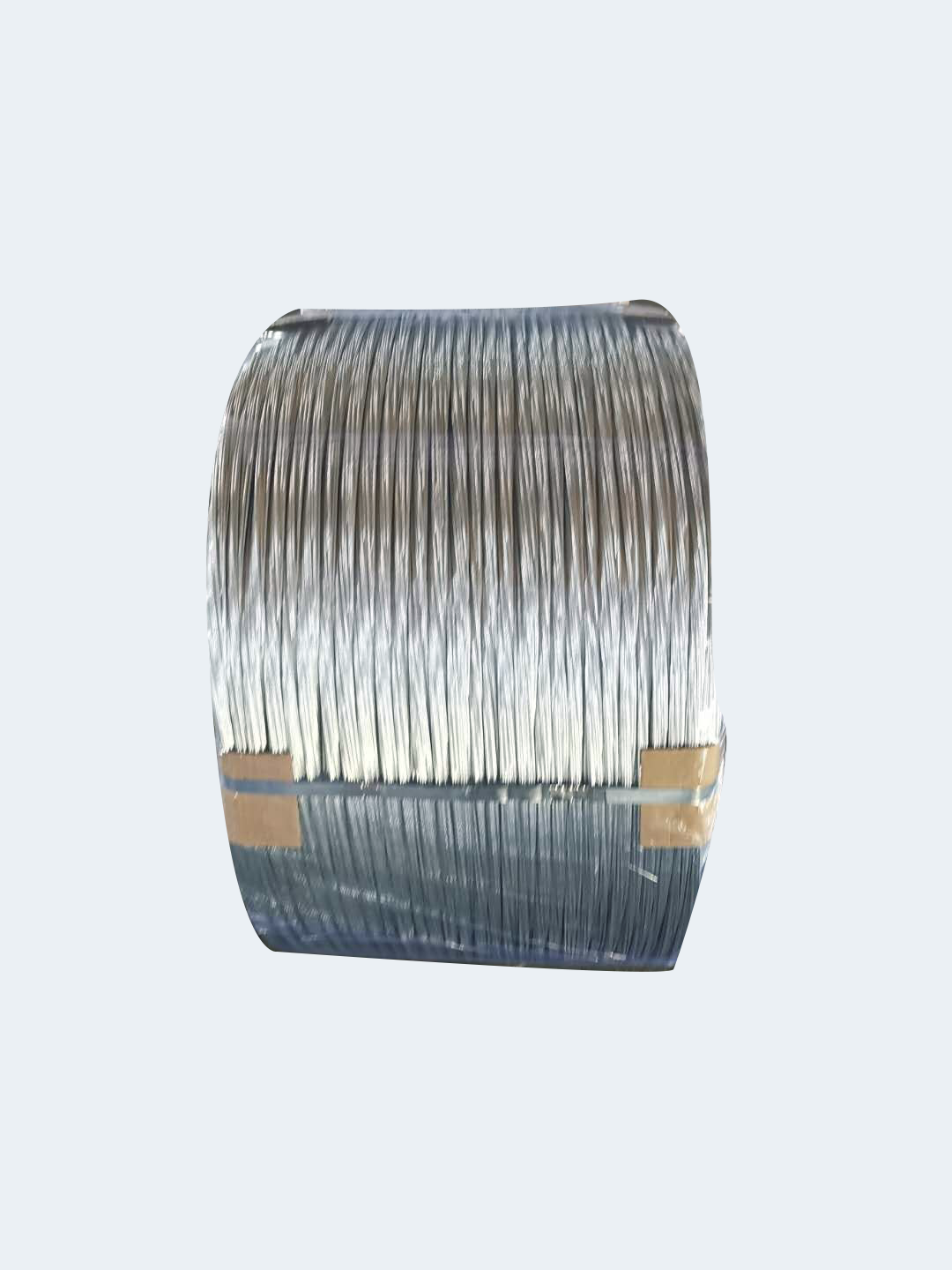
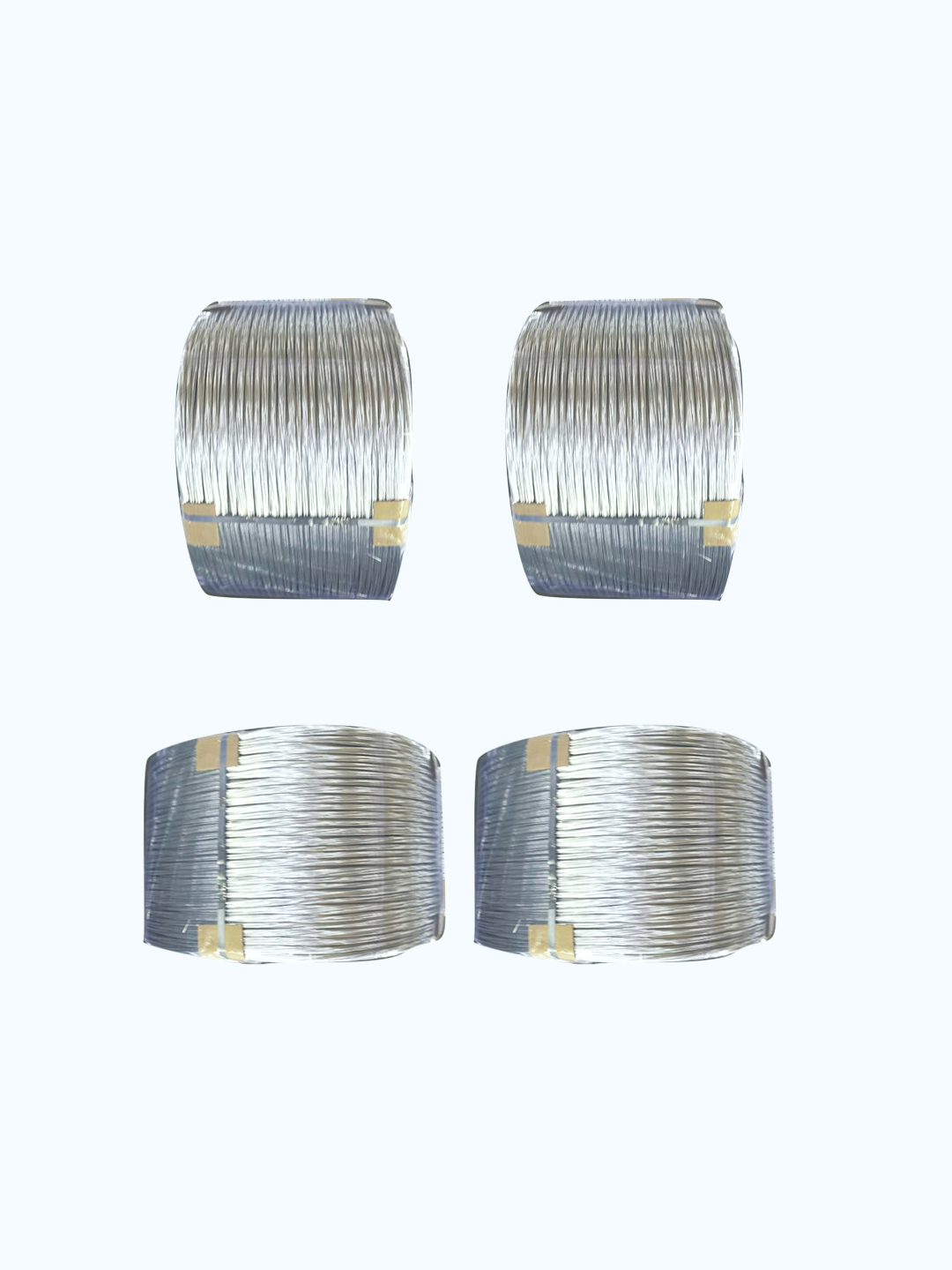
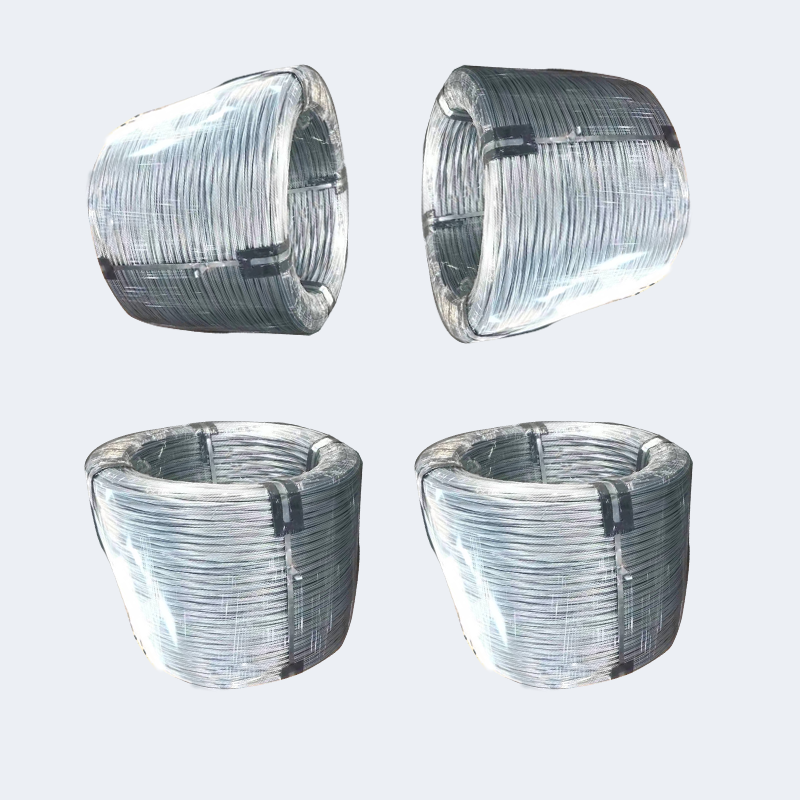
Galvanized wire is steel wire coated with zinc to protect it from corrosion. The zinc layer acts as a barrier between steel and the environment, significantly extending the wire’s service life, especially in outdoor and humid conditions.
However, not all galvanized wire performs the same in real use. Differences in galvanizing method, zinc coating weight, wire structure and coil format directly affect service life, production efficiency and total cost.
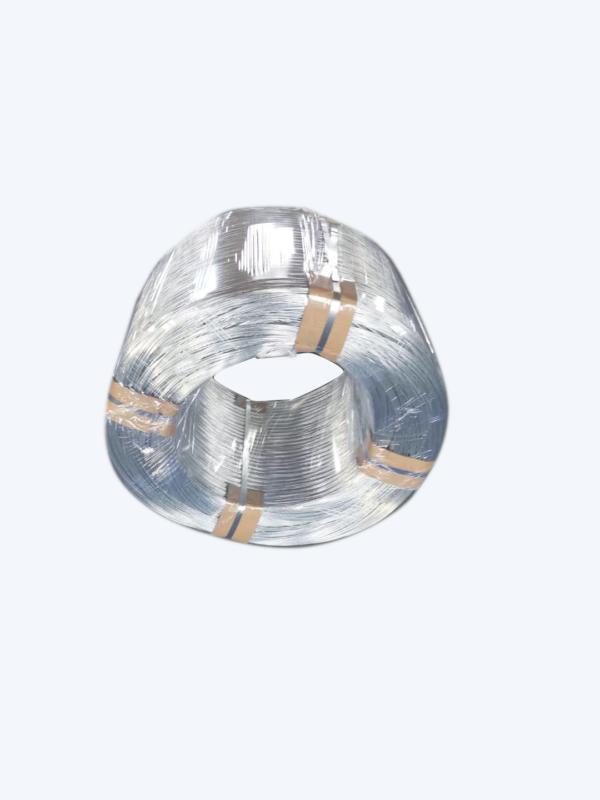
Our hot dip galvanized wire supplied in rosette coils, designed for chain link fence, barbed wire, mesh and agricultural applications where corrosion resistance, stable mechanical performance and continuous production without wire breaks are required.
Our wire quality can meet Caribbean, South America and Australia market.
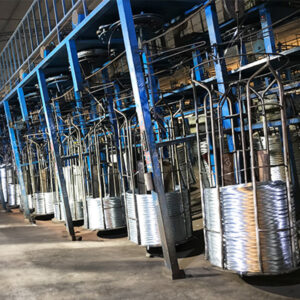
The video above shows the actual production process of our hot dip galvanized wire, from raw steel wire rod to finished rosette coils.
There are two common galvanizing methods used in the market, but they produce very different results.
Hot dipped galvanized wire features a thicker zinc coating with strong adhesion, offering superior corrosion resistance for outdoor fencing, agriculture and industrial use.
Electric galvanized wire has a thinner zinc layer and is mainly suitable for indoor or short-term applications. In outdoor environments, it may begin to corrode relatively quickly.
For chain link fence, hexagonal mesh, barbed wire and agricultural fencing, hot-dip galvanized wire is the technically correct choice.
Rosette coil is not simply a packaging format. It directly affects production efficiency.
Compared with traditional loose coils or spooled wire, rosette coil galvanized wire provides:
This makes rosette coil especially suitable for manufacturers producing chain link fence, hexagonal wire mesh and barbed wire, where uninterrupted production is critical.
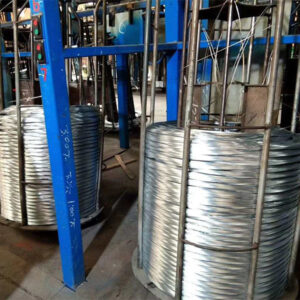
Zinc coating weight is one of the main factors affecting the service life of galvanized wire.
Typical coating ranges include:
Our galvanized wire is also designed to meet the performance requirements of ASTM A641 and EN 10244-2.
Each batch undergoes tensile testing to ensure stable performance during fence and mesh production.
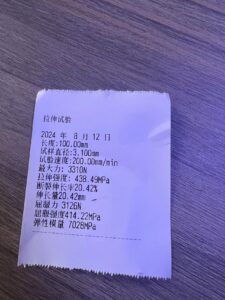
1.6mm, 2.4mm, 2.45mm, 2.5mm, 2.77mm, 3.1mm, 3.7mm, 4.3mm are the specifications we regularly produce.
The combination of corrosion resistance, mechanical stability and continuous feeding capability makes it suitable for both manual and automated fabrication lines.
Packaging options include inner plastic with outer woven material as standard. Inner plastic with outer hessian is available upon request.
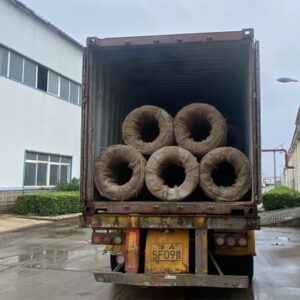
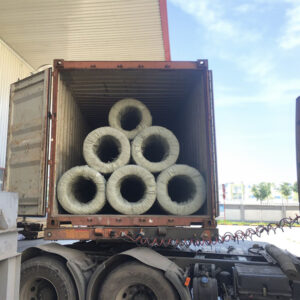
The wire is packaged for long-distance export, protecting the zinc coating during storage and transportation.
When sourcing galvanized wire, buyers should consider more than just wire diameter and price. Galvanizing method, zinc coating weight, coil structure and mechanical stability all directly affect service life and production efficiency.
A properly specified hot-dip galvanized wire in rosette coil delivers longer service life, smoother production and lower total cost over time.
Hot-dip galvanized wire has a much thicker zinc coating formed by immersion in molten zinc, providing superior corrosion resistance for outdoor use. Electro-galvanized wire has a thinner coating and is mainly suitable for indoor or short-term applications.
For standard outdoor fencing and agricultural use, standard galvanized wire is commonly selected. Heavy galvanized wire are recommended for coastal or high-corrosion environments.
Rosette coil is a coil format designed for smooth, center-free payoff. It reduces tangling and wire breaks, making it suitable for continuous production of fence and mesh products.
Yes. The combination of controlled annealing, stable tensile strength and rosette coil forming allows continuous feeding into automatic or semi-automatic production lines.
Our galvanized wire has standard galvanized and heavy galvanized type but it is also designed to meet the performance requirements of ASTM A641 and EN 10244-2 in terms of zinc coating.